Begin with definitions, not outcome promises
Adults in Kuala Lumpur often arrive at a fertility discussion after months of trying to conceive, irregular cycles, prior surgery, or a wish to understand options such as IVF or egg freezing. Useful conversations start with definitions, history, and a test plan. They do not start with guaranteed pregnancy percentages on a homepage banner. No clinic can promise a specific outcome for every person, and treating marketing language as clinical evidence leads to poor decisions.
The WHO fact sheet on infertility frames infertility as a disease of the reproductive system and emphasises access to information and care. CDC materials on assisted reproductive technology (ART) explain how clinics report procedures and outcomes in aggregated form. ASRM patient education on planned egg freezing stresses age effects and the absence of guarantees. Read those frames before you compare local centre pages.
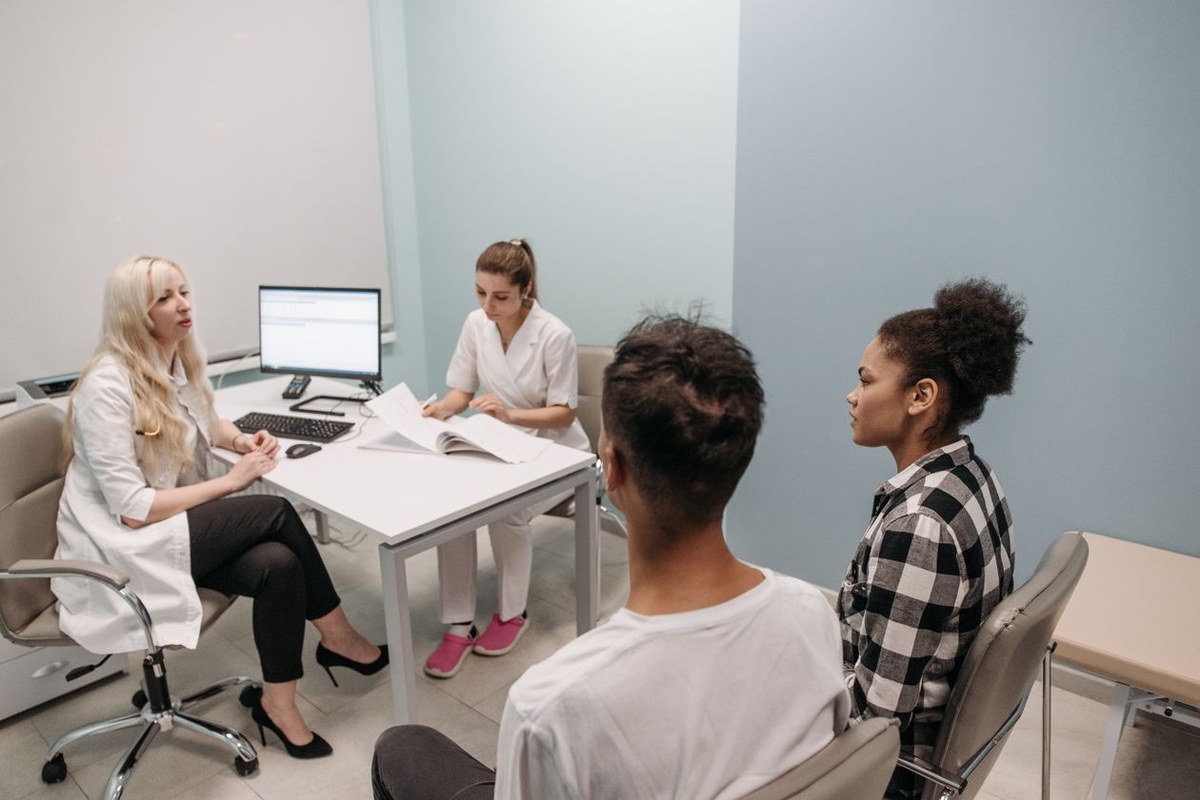
What a centre visit is for
A first visit usually gathers reproductive and medical history, reviews prior labs or imaging, and proposes a diagnostic sequence. Ask which tests are being ordered, why each one matters, whether a partner needs concurrent testing, and when results return. A neutral reading of this fertility centre overview should help you see service scope and locations without treating any brand ranking language as evidence of better outcomes.
Bring a timeline of cycles, medications, surgeries, pregnancies, and prior fertility care. Write questions in advance about male-factor testing, ovarian reserve markers, uterine or tubal evaluation, and when expectant management is still reasonable. These are medical decisions about adult bodies and futures. Keep the tone factual in the room even when emotions are high afterward.
How an IVF pathway is typically organised
IVF generally includes ovarian stimulation with ultrasound and blood monitoring, a trigger injection, egg retrieval under sedation, laboratory fertilisation (sometimes with ICSI), embryo culture for several days, and transfer timing decided with the clinical team. Success rates vary by age, diagnosis, embryo stage, laboratory practices, and many other factors. When you read an IVF treatment pathway in Malaysia page, look for process steps, counselling notes, and what is included in quoted packages rather than slogans.
Ask how the clinic explains its own audited statistics, which years and age bands those numbers cover, and what happens if a cycle is cancelled for medical reasons. Multiple cycles may be discussed; that is planning, not a promise that the next cycle will succeed.
Related watch: Cleveland Clinic step-by-step IVF explanation for patient education.
Egg freezing as preservation, not a promise
Egg freezing follows a similar stimulation and retrieval sequence, then vitrifies mature eggs for later use. Later thawing often relies on ICSI because the egg coat can harden after freezing. Age at freeze strongly influences later possibilities, and not every egg survives thaw or becomes a viable embryo. Use egg freezing facts to review before a consult as a discussion aid with a specialist, not as a self-diagnosis or timeline guarantee.
Clarify storage consent duration, annual fees, and what happens if you move countries. Preservation buys options under uncertainty. It does not freeze a calendar outcome.

Questions that keep the next appointment grounded
Leave with three written items: the working diagnosis or “still investigating” status, the next test or treatment step with a date, and the risks or uncertainties the clinician named in plain language. If cost schedules are discussed, ask what is included versus optional add-ons, and how cancelled or incomplete cycles are handled financially.
Revisit those notes when emotions run high between visits. Informational clarity is the point of this reading. Outcome guarantees are not, and no article should invent them.